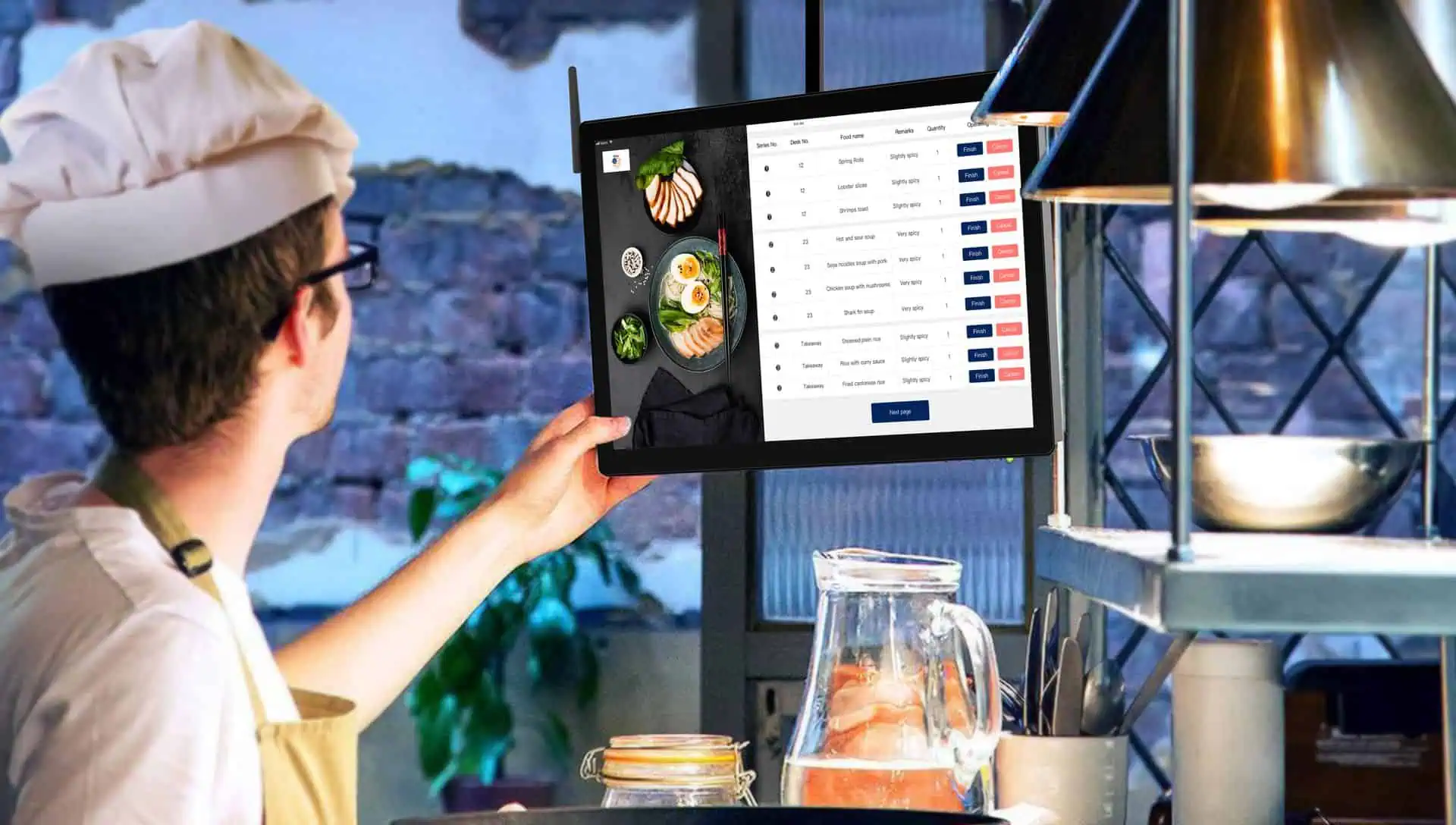
A customer is ready to make their purchase. The card reader still hasn’t connected. Someone resets the router as the line gets longer.
Sound familiar?
It doesn’t take much for network issues to begin. Poor connectivity here. A drop there. Eventually, those small annoyances become a part of the everyday experience.
That doesn’t need to be the case.
For companies located in Cape Coral, Fort Myers, and throughout Southwest Florida, updating your network could mean eliminating those everyday frustrations. Here’s how the process can work from start to finish when Card Systems upgrades your network for you.
Before: A Network That Grew Without a Plan
Businesses don’t start off with an inefficient network. That happens gradually, one device at a time.
You install a register. Next, cameras. Then comes guest Wi-Fi, a kitchen printer, and some tablets. The router that used to work fine now has much more to handle.
Slow Connections Become Normal
Your staff understands that one particular corner is not a good spot for a signal. They know that a certain machine should be restarted. There is even someone who has a personal hotspot just in case.
All these solutions work well, but they do not solve the issue itself.
A sluggish POS system does not necessarily require you to get a new POS system installed. You may have an outdated cable, bad Wi-Fi connectivity, or simply hardware incapable of handling the task.
Getting yourself an upgraded internet plan will not help with any of these problems.
Nobody Knows What Goes Where
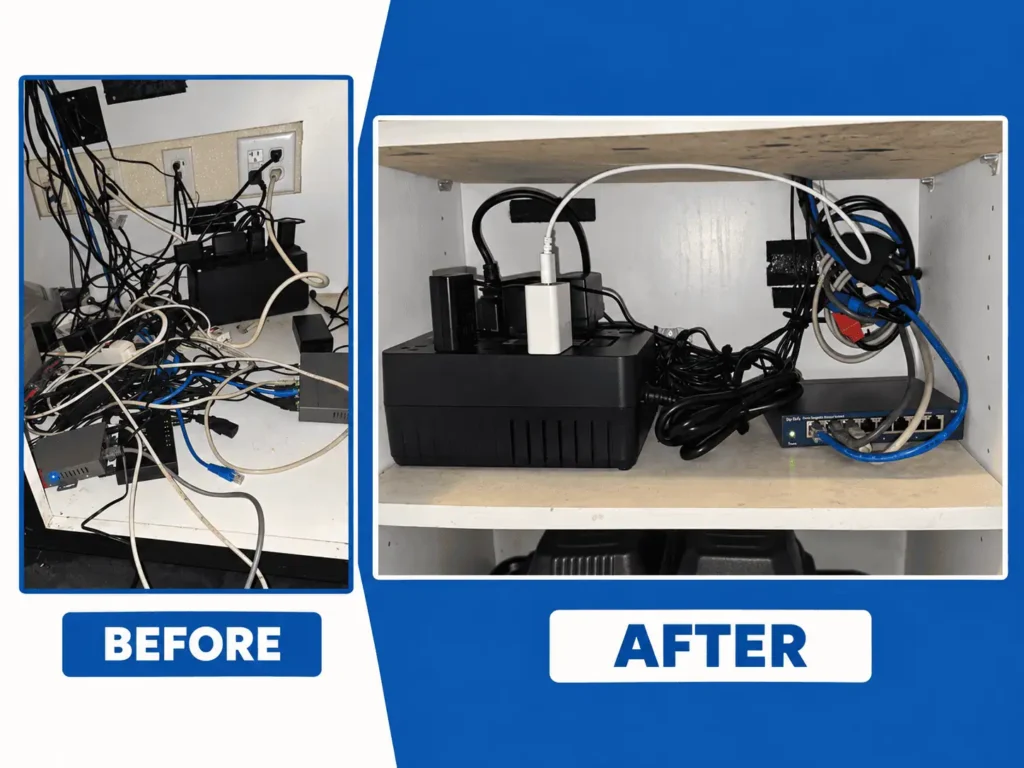
Behind the counter, wires can be all jumbled up. Old machines sit next to new ones. No one put labels on anything.
That turns a straightforward issue into a more difficult one to pinpoint. The wrong pull may knock another part of your business out of action.
And when something goes down during a busy period, there isn’t much time to speculate.
The Turning Point: Checking the Network First
An effective network audit for a business begins with how you work.
How do your workers take orders? Do you need hardwired connections at some stations? Is there Wi-Fi in your back office or on your patio?
The review should look at cables, equipment, coverage, connection devices, and security settings. It must also differentiate between internal issues and those of the internet service provider.
This is important since the solution could be minor. It could entail using a properly located Wi-Fi access point, which is a device used to provide wireless coverage. Some other networks might require more extensive solutions like wiring.
A new business has the opportunity to establish network connections before any counters, desk, or machinery are placed.
After: A Setup Built Around Your Business
It is not just a bunch of blinking lights, but rather a network that helps people do their jobs.
Depending on what is found in the review, the upgrade can consist of more modern hardware or additional cabling, enhanced Wi-Fi, or dedicated links.
A Cleaner, Easier-to-Manage Space
Organized wiring and labels will make the setup easier to understand. Equipment should be installed where there will be proper airflow and space for movement to avoid disconnection.
It will look better, but the real payoff will come at a later date when the equipment needs maintenance. There’s a clear starting point.
More Reliable Connections Where They Matter
Fixed devices, like checkout stations, will see an improvement in their connectivity. Handheld devices will need to have Wi-Fi access in those areas that they will be used.
It will involve inspecting a restaurant’s dining area and outdoor eating area, not only close to the router.
Businesses making use of Card Systems’ payment processing solutions will enjoy the benefits. An upgrade will not solve all potential delays, but it will solve issues related to the local network.
Better Separation Between Guests and Business Devices
The guest Wi-Fi needs to be configured in a way that prevents customers from accessing the private company machines.
The recommendation in the FTC’s small business cybersecurity page includes securing routers, applying wireless encryption, and restricting access to the main business network.
The CISA publication on network segmentation describes how splitting your network into segments can help you restrict access and limit the spread of an attack.
It’s like allowing people to enter the lobby but not giving them keys to enter the office.
The Real Before and After Happens During the Workday
A neat and tidy equipment cabinet makes for a good picture, but the major difference is in how the network behaves under load.
Success could mean improved connectivity, coverage, and time saved by avoiding connection issues. Testing should involve the actual checkout stations, printers, and handhelds that your crew uses.
It depends on what problems there are and what work has been done. No upgrading can guarantee that all external services will be operational.
Have Card Systems Check Your Business Network
If you have recurring connectivity issues, it would be best to identify the reason behind it before to another hectic shift. With our experience in POS and payment processing, Card Systems has something to contribute to the discussion.
Contact Card Systems for an appointment for your network audit. We can look at your existing system and assist you in upgrading or installing a network based on your business needs.