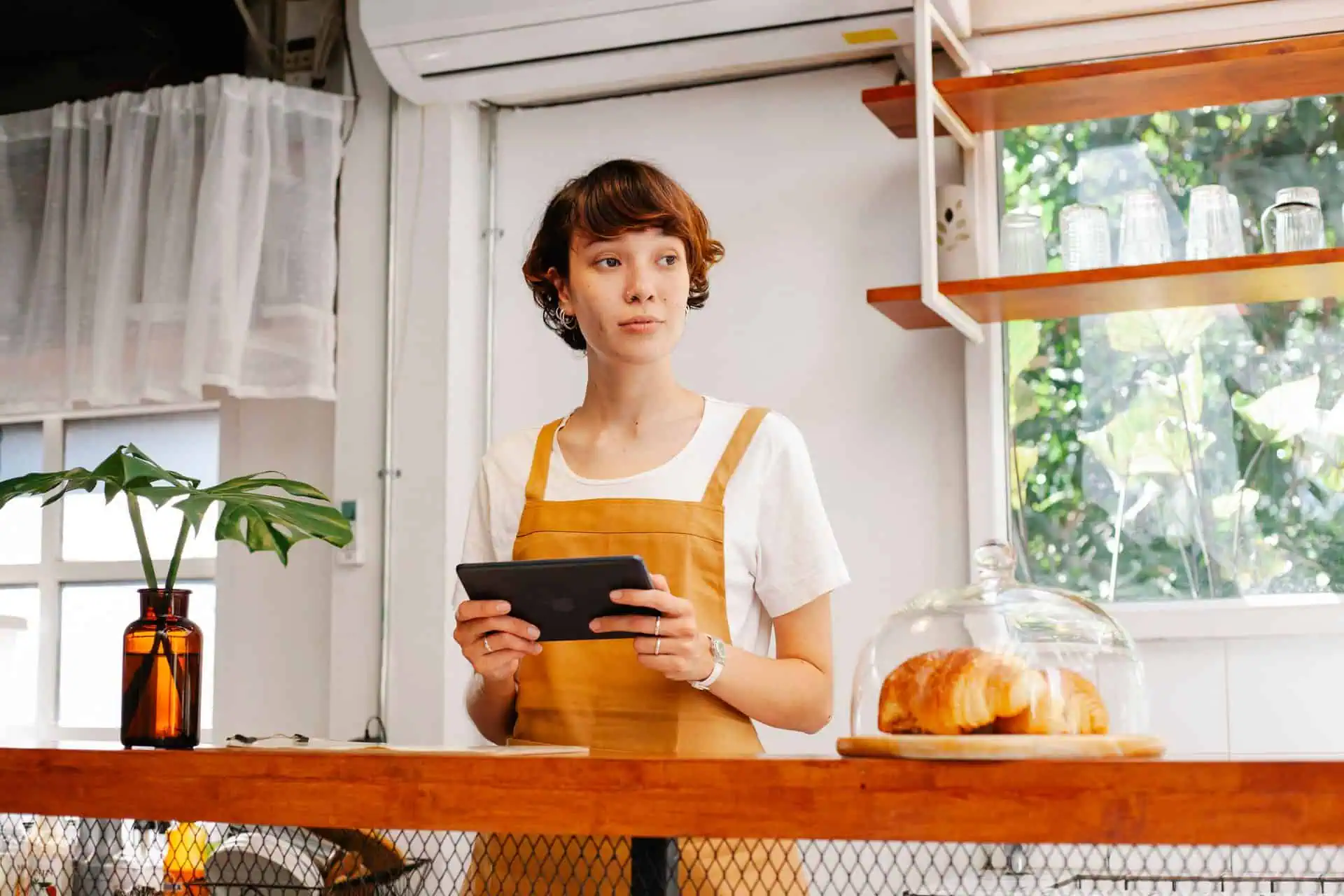
You get a DoorDash order notification on a tablet. Then another one comes from Uber Eats on another tablet. Then from Grubhub on yet another tablet.
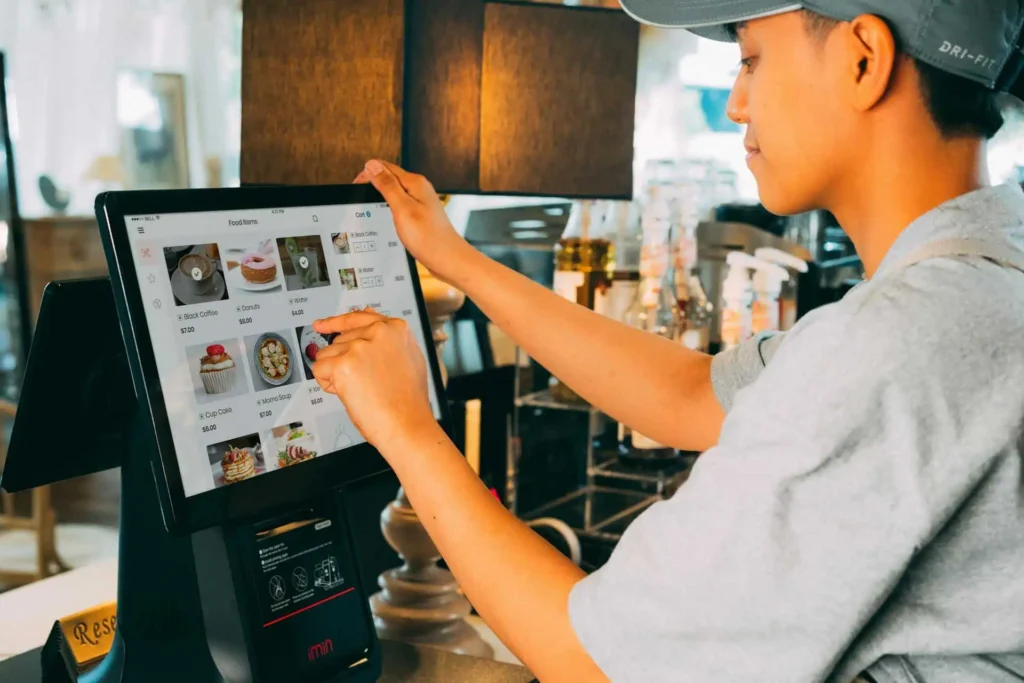
Your cashier reads the orders, manually enters them into the POS, checks for any notes, sends the order to the kitchen, and prays that nothing was missed.
This process is okay in off-peak hours, but certainly not in a rush.
There is always a chance that something might be missed. The wrong item, missed allergy information, late tickets, remakes, etc. Any of those mistakes can happen when copying orders from one screen to another. Your guests won’t care why they got a different meal. They’ll just be upset about it.
During season, in Southwest Florida, this process is even worse. More guests, more takeout orders, more deliveries, more stress for your team.
Third-party online ordering POS integration solves the issue. A POS connection with third-party online ordering applications allows for automating the process of order submission from the app to the POS.
Ultimately, it makes the order process smoother within your restaurant.
Online Ordering Isn’t the Problem
Online ordering isn’t going anywhere.
According to the National Restaurant Association, off-premises dining is still one of the major aspects of restaurant demand. Based on their 2025 report, 51% of Gen Z and millennial consumers say pickup and drive-through meals are part of their routine, and 41% rely on delivery services.
The question is not whether your guests will order online. They already do.
The question you should be asking: Is your restaurant ready to accept those orders without increasing the workload for your team?
If each third-party order must be manually entered into your POS, you depend on your staff’s manual skills and concentration. That can be risky.
Manual Entry Makes Things Hard
It slows down your staff
Your cashier typing orders from third-party applications can’t assist the guests at the counter.
Which means things get backed up. Major backups result in walkouts, rushed service, and frustrated employees.
It increases the number of order mistakes
Modifiers are crucial.
“No onions.”
“Extra sauce.”
“Dressing on the side.”
“Gluten-free bun.”
“Allergy note.”
The more your employees enter order details manually, the more mistakes happen.
As per QSR Magazine, restaurants list order accuracy as the number one online ordering challenge. They also state other challenges include throttling, delivery food quality, menu syncing issues, sold-out items management, and POS connection gaps.
This is what many owners experience on a weekly basis. Even a minor error can result in a refund, remake, negative feedback, or wasted ingredients.
It makes reporting messy
If your third-party orders live outside your POS, reporting instantly becomes more complicated.
You might know how many orders came through DoorDash. You might know how many orders came through Uber Eats. You might know how many orders were placed in person. But can you see the bigger picture?
Good reporting allows spotting top-selling products, busy shifts, menu-related problems, and order trends.
Card Systems’ restaurant POS solutions offer online ordering, kitchen display options, reporting, menu management, tableside ordering, and payment tools for all types of restaurants including fine dining, casual dining, bars, pizza places, breweries, quick service, fast casual, food trucks, and more.
What POS Integration Changes
A third-party online ordering POS integration allows the order to pass seamlessly from the delivery app to the POS. That means less time spent watching various screens. Less time spent on additional steps. Less room for errors when entering order details.
An order passes from the delivery app to your POS and then goes to the kitchen printer or kitchen display. You don’t need extra tablets. You need a better flow.
Third-Party Apps Still Have a Place
DoorDash, Uber Eats, and Grubhub can increase your reach among customers who will not search for your business by name. They can bring in new orders and help with delivery if you don’t run your own delivery. However, there are costs involved.
POS integration does not eliminate those fees. That’s the wrong way to think about it.
The main solution here is that you can continue working with third-party services when it makes sense, but stop entering orders manually. You will still have access to the sales channel while saving your team from extra work.
Direct Online Ordering Is Important Too
Third-party apps are good for reaching new customers while direct online ordering is good for maintaining control.
Card Systems’ restaurant POS includes online ordering, branded menu design, order flow management, and other features for managing your menu in the online space.
That is important because not every customer will choose to go through a third-party platform. If they already know you, they could’ve found your business by name. If they would like to pick up the food, they may order direct if your link is easy to use.
In addition, Card Systems helps restaurants to configure their Google Business Profile ordering allowing them to direct guests to their preferred ordering method.
This gives you two options that can work together:
- Work with third-party apps for expanding reach.
- Use direct online ordering for managing your orders.
Questions You Should Ask Before Making Any Changes
Before implementing another tool, ask yourself some questions.
Does it minimize manual entry?
That is the main test. If your staff still has to copy orders from one screen into another, the problem remains unsolved.
Does it work with popular apps used by your guests?
Check the compatibility with DoorDash, Uber Eats, Grubhub, and any other apps that might be popular with your guests. Do not assume anything. Ensure your setup matches how your guests currently order.
Does it send clear tickets to the kitchen?
The kitchen needs accurate tickets. No guessing allowed. No compromise.
Can you manage your menu quickly?
Sold out of wings? 86 cheesecake? Need to adjust prices? Your third-party menu must be able to keep up with changes.
Does it offer local support?
Once your dinner rush starts, you don’t want to be waiting in a queue for tech support.
Card Systems provides services for Southwest Florida restaurants and offers 24/7 local support.
That is especially important during rush when you need to solve problems right away.
What a Good Rush Looks Like
- Your restaurant receives a DoorDash order.
- The order gets injected in your POS automatically.
- The kitchen receives the order.
- Your cashier does not have to resubmit it into the POS.
- Your manager does not need to check for any missing orders on a tablet.
- Your cook does not have to guess what the guest wanted.
- Your team continues working efficiently.
That is the goal. This is not about adding technology. This is about removing unnecessary steps and confusion.
Talk to a Local POS Expert
Third-party online ordering is here to stay.
You can continue forcing your staff to manually enter third-party orders or automate the process and save your team from extra work and frustration.
Card Systems offers restaurant POS solutions in Southwest Florida that will help you integrate ordering, payments, kitchen routing, menu management, and reporting processes.
Talk to a local POS expert and learn how to minimize manual order entry without having to learn a whole new system.